
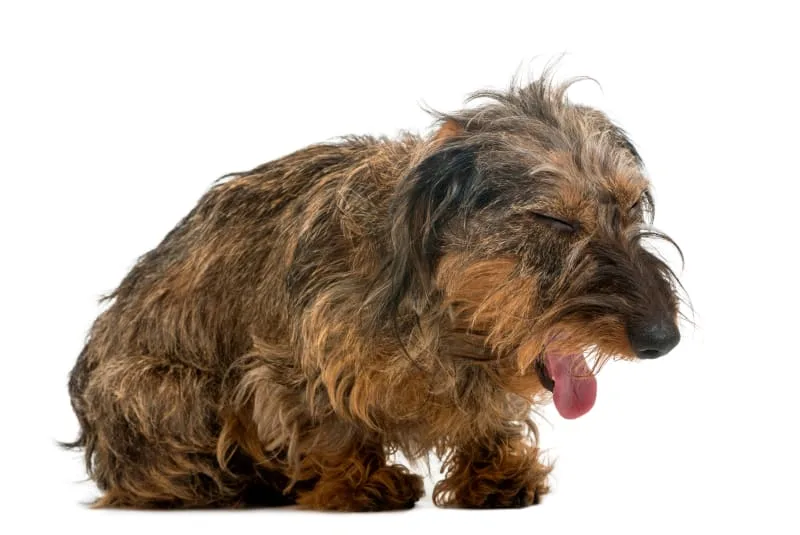
Although most pet parents are unaware of the possibility, dogs, like people, can develop pneumonia. Pneumonia in dogs can be a serious health concern, however, treatment is available and most dogs recover well. Our White Settlement veterinarians discuss some of the symptoms and treatment options for canine pneumonia.
What is pneumonia in dogs?
As with people, pneumonia in dogs affects the respiratory system interfering with your pup's ability to breathe normally. While some forms of pneumonia are more difficult to clear up than others, with treatment, most dogs recover well from pneumonia. That said if the condition is left untreated more serious issues can develop.
What is infectious pneumonia?
Infectious pneumonia is the most common type of pneumonia in dogs (also called bacterial pneumonia). Infectious pneumonia is caused by an infection of the dog's airways, either viral or bacterial. Bordetella bronchiseptica is one of the bacteria most frequently associated with infectious pneumonia in dogs, and it is easily spread between puppies, senior dogs, and dogs with a compromised immune system.
What are the symptoms of bacterial infectious pneumonia in dogs?
Dogs suffering from infectious pneumonia or bacterial pneumonia may display one or more of the following symptoms:
Coughing
High fever
Runny nose
Wheezing
Breathing difficulties
Lethargy
Difficulty exercising
Nasal whistling
Irregular breathing
Dehydration
Weight loss
Loss of appetite
If your dog has been diagnosed with bacterial pneumonia it's a good idea to keep your unwell dog away from other pets in the household and to wash bedding, bowls, collars, and leashes frequently because pneumonia in dogs is contagious and can spread to other dogs. Also, be sure to wash your hands immediately after petting or handling a dog with infectious pneumonia.
What is aspiration pneumonia in dogs?
If your dog inhales vomit or medication accidentally, has a pharyngeal abnormality, or has a neuromuscular disorder that impairs respiratory function, aspiration pneumonia may develop. In some cases, enlargement of the lower esophagus due to frequent regurgitation caused by acid reflux, as well as an incorrectly placed feeding tube, can result in aspiration pneumonia.
What are the signs of aspiration pneumonia?
Symptoms of aspiration pneumonia can be very similar to those of infectious bacterial pneumonia and may include one or more of the following:
High fever
Coughing
Breathing difficulties
Runny nose
Difficulty exercising
Lethargy
Wheezing
Nasal whistling
Dehydration
Irregular breathing
Loss of appetite
Weight loss
However, aspiration pneumonia may also cause other symptoms such as:
Difficulty swallowing
Bluish skin
Altered mood
Frequent regurgitation
If your dog exhibits any of the symptoms of aspiration pneumonia, contact your veterinarian immediately to schedule an appointment for your pup. Early diagnosis and treatment may help prevent the development of more severe, more difficult-to-treat symptoms.
How can you treat pneumonia in dogs?
If your dog has been diagnosed with infectious bacterial pneumonia or aspiration pneumonia, your veterinarian will likely prescribe medications to help control symptoms such as non-steroidal anti-inflammatory medications (NSAIDs) for fever and pain, bronchodilators, and expectorants for coughing and breathing problems. If your dog is suffering from a particularly severe case of pneumonia, it may require hospitalization and may require fluid therapy, supplemental oxygen, or intravenous antibiotics.
How can I help my dog recover from pneumonia?
Your vet will provide you with specific instruction on caring for your dog during their recovery however typical instructions for care include:
Restrict your dog's activities while they recover.
Keep other pets and small children away from your dog to allow them to get plenty of rest.
Supplying plenty of fresh water to help keep them hydrated.
Treat your dog with a steam treatment by running a hot shower while you sit with your dog in the bathroom or shower room.
If your dog is experiencing difficulties breathing contact our White Settlement vets at Frontier Veterinary Hospital to book an appointment. Our compassionate vets are here to help your pet feel better.
